Children of Fallen Heroes
Honoring the Fallen. Engineering the Future.
Learn how to support this organization
Mission
Children of Fallen Heroes (CFH) has served more than 15,000 youth and families, providing a vital bridge between sacrifice and opportunity. We focus exclusively on high-impact STEAM education (Science, Technology, Engineering, Arts, and Mathematics) to equip the children of fallen military, special operators, first responders, and foster youth with the skills to lead in a 21st-century economy. Our work transforms grief into resilience by providing a community of peers and mentors who understand the unique challenges of hero families.
Notes from the nonprofit
At Children of Fallen Heroes (CFH), we are dedicated to honoring the legacy of fallen military personnel, first responders, and caregivers by empowering the children they leave behind. Through innovative programs, scholarships, and partnerships, we provide opportunities for healing, growth, and success. We believe in creating brighter futures by fostering resilience, encouraging innovation, and building a community that supports every child’s potential. Our work is inspired by the sacrifices of heroes and fueled by the generosity of donors, volunteers, and supporters who share our mission. Together, we are making a lasting impact and ensuring that no hero’s child is left behind. Thank you for joining us on this journey!
Ruling year
2016
President and Founder
Kenneth Wasley
Main address
1428 Fazio Dr
Pinehurst, NC 28374-1804 USA
EIN
81-0800340
Human services
Agriculture, fishing and forestry
Public safety
Information and communications
Health
Population served
Victims and oppressed people
Economically disadvantaged people
Transitioning children
Adults
Families
NTEE code
Youth Development Programs (O50)
IRS subsection
501(c)(3) Public Charity
IRS filing requirement
This organization is required to file an IRS Form 990 or 990-EZ.
Tax forms
Communication




Programs and results
Reports and documents
Download annual reports Download other documentsWhat we aim to solve
Children of Fallen Heroes (CFH) addresses the critical need to support and empower children who have lost a parent in the line of duty, including fallen military personnel, first responders, foster youth, and children in underserved communities. These children often face emotional trauma, financial hardships, and limited access to resources, creating barriers to education, personal growth, and future opportunities. CFH aims to bridge this gap by providing scholarships, innovative STEM and arts programs, emotional support initiatives, and leadership development opportunities, ensuring these children can thrive despite their challenges and honor the legacy of their loved ones.
Our programs
What are the organization's current programs, how do they measure success, and who do the programs serve?
CFH Legacy Scholarship Program
The CFH Legacy Scholarship Program provides financial assistance and educational opportunities for children of fallen military personnel, special operators, first responders, as well as foster youth and students from Title One schools. Scholarships support academic advancement, leadership development, and participation in programs that prepare the next generation for careers in science, technology, engineering, arts, and mathematics (STEAM). Through this program, Children of Fallen Heroes helps students pursue education, innovation, and purpose while honoring the legacy of those who served and sacrificed.
STEAM Community Outreach
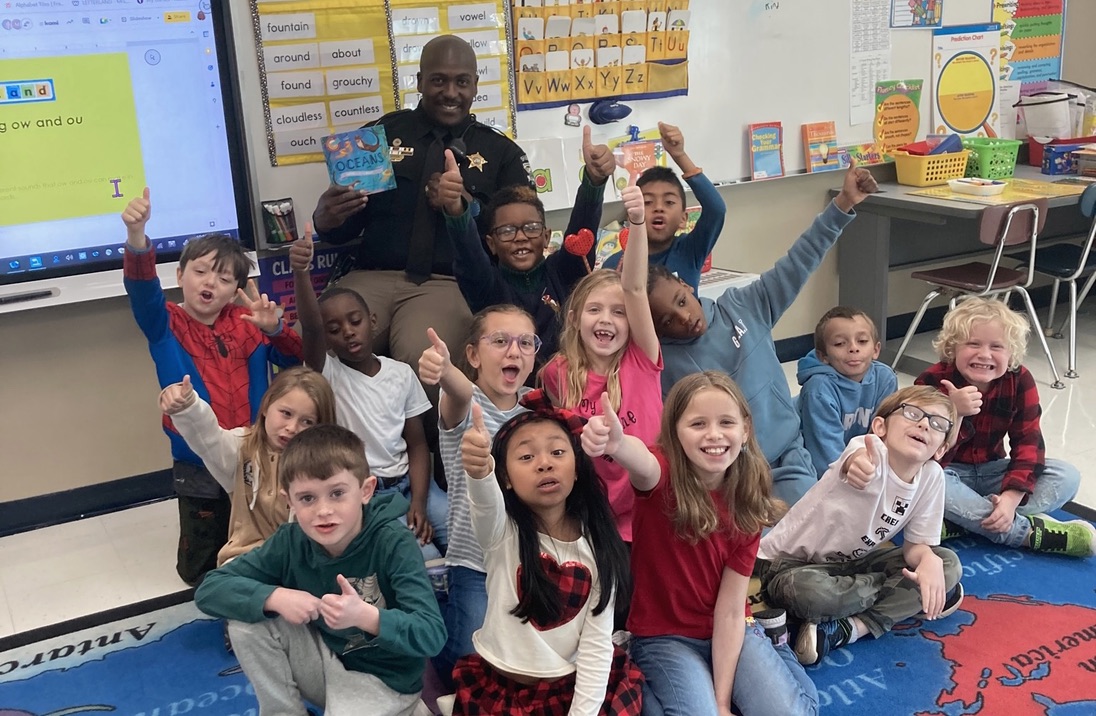
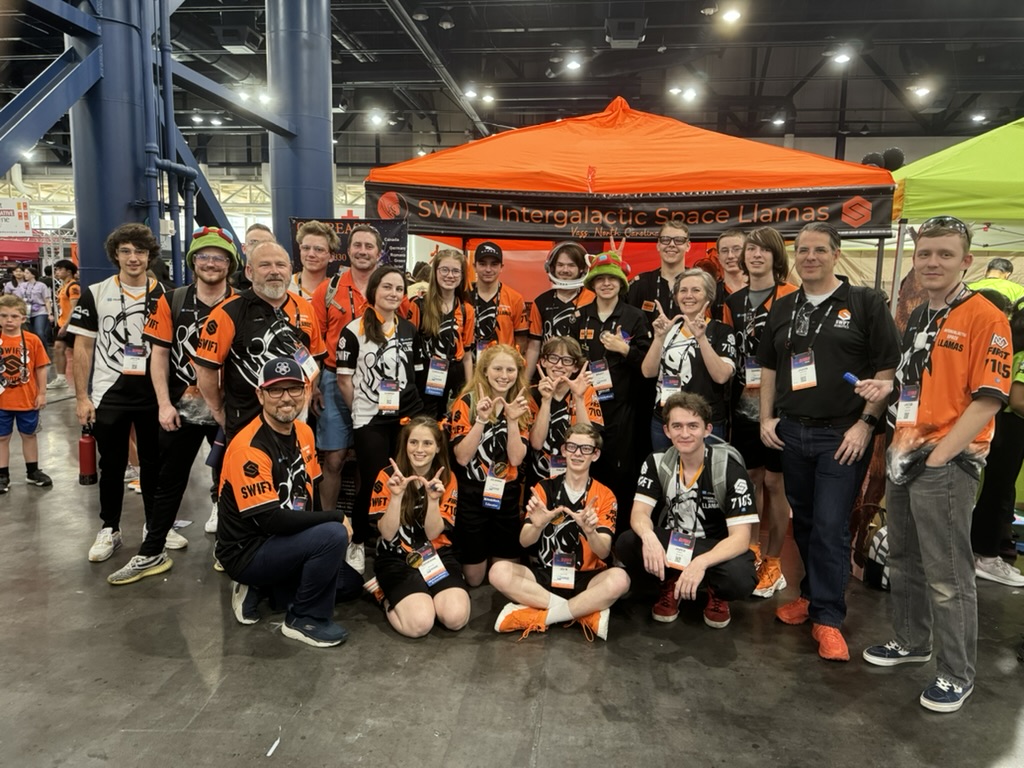
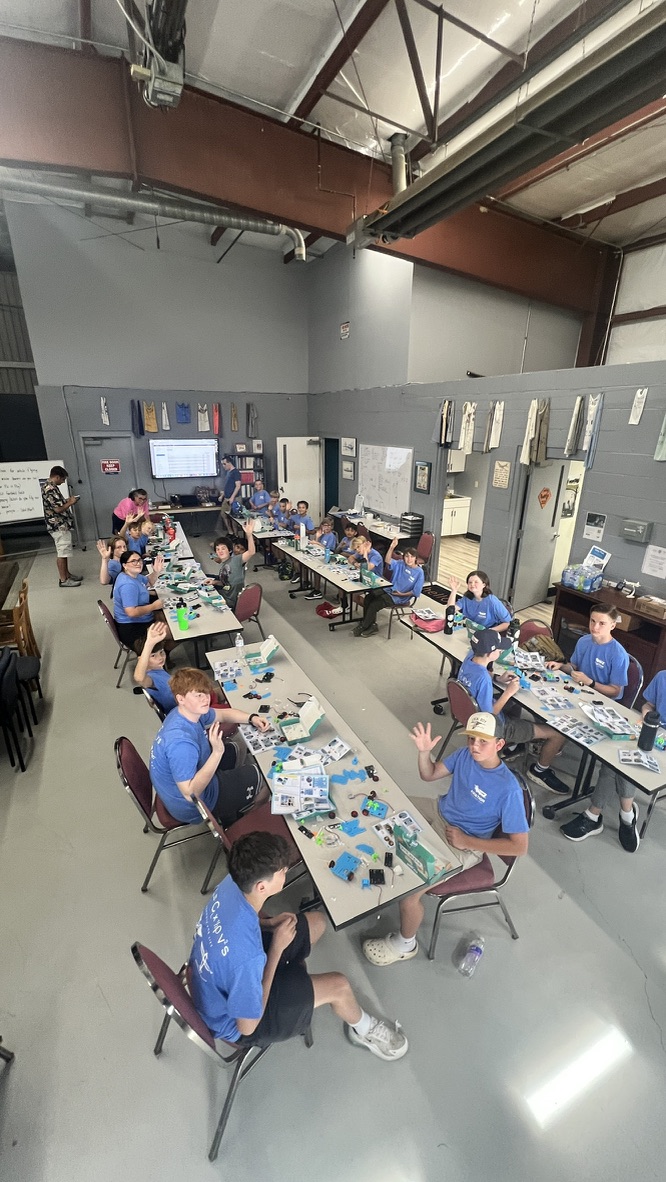
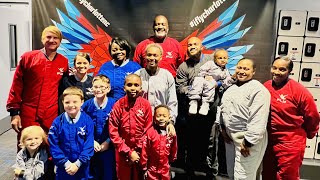
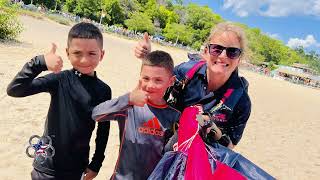
The STEAM Community Outreach program expands Children of Fallen Heroes’ mission by bringing Science, Technology, Engineering, Arts, and Mathematics experiences directly into communities. Through hands-on activities, robotics, drones, aviation, creative arts, and leadership development, the program introduces youth to real-world skills while building confidence, teamwork, and curiosity. The program serves children of fallen military members, special operators, first responders, foster youth, caregivers, and students from Title One schools. By partnering with schools, community organizations, and public safety agencies, STEAM Community Outreach creates accessible learning opportunities that inspire the next generation of innovators, problem-solvers, and leaders.
Where we work
-
North Carolina (United States)
-
United States
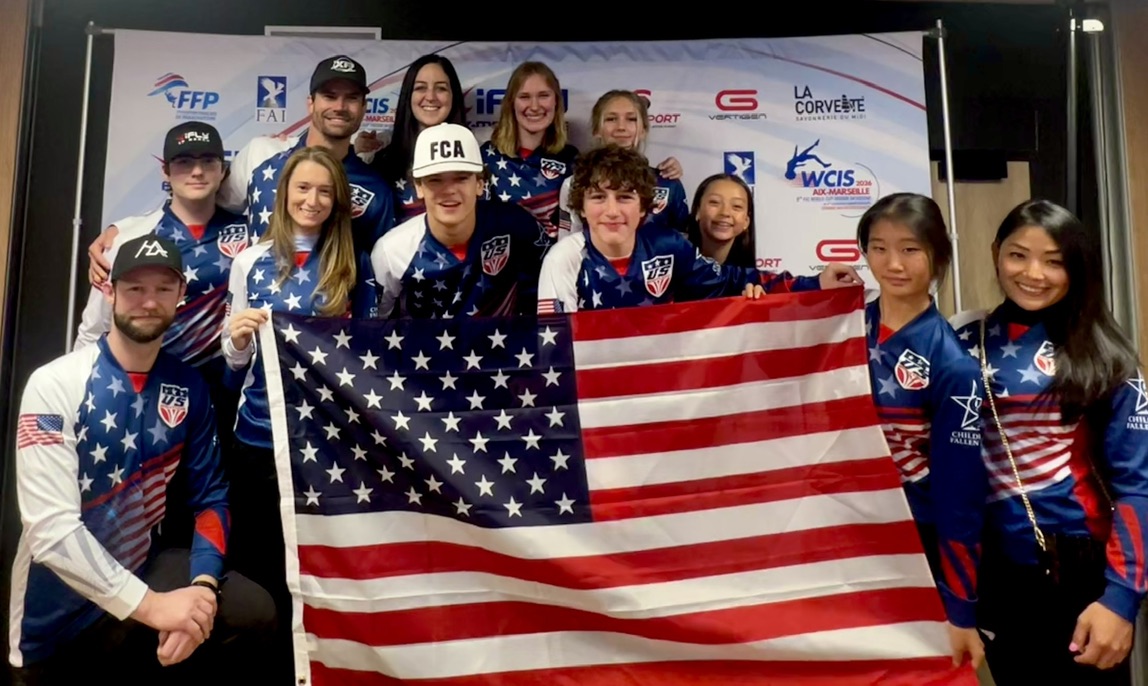
Photos
Videos
Our results
How does this organization measure their results? It's a hard question but an important one.
Number of people accessing aids or adaptations as a percentage of the number of people receiving a service from the Occupational Therapy service
This metric is no longer tracked.Totals By Year
Type of Metric
Output - describing our activities and reach
Direction of Success
Increasing
Number of media partnerships developed
This metric is no longer tracked.Totals By Year
Type of Metric
Input - describing resources we use
Direction of Success
Increasing
Number of groups/individuals benefiting from tools/resources/education materials provided
This metric is no longer tracked.Totals By Year
Type of Metric
Output - describing our activities and reach
Direction of Success
Increasing
Our Sustainable Development Goals


Learn more about Sustainable Development Goals.
Goals & Strategy
Learn about the organization's key goals, strategies, capabilities, and progress.
Charting impact
Four powerful questions that require reflection about what really matters - results.
What is the organization aiming to accomplish?
Children of Fallen Heroes (CFH) aims to empower and uplift children of fallen military personnel, first responders, foster youth, and underserved communities by providing resources and opportunities to help them thrive. Our goals include:
Expanding access to scholarships and financial aid for education.
Developing innovative STEM and arts programs through the CFH STEM + Arts Center.
Creating opportunities for emotional healing and personal growth through mentorship, equine therapy, and resilience-building activities.
Advancing drone research, manufacturing, and certification for first responders and military applications, inspiring youth in cutting-edge technologies.
Building a sustainable 82-acre community hub with housing, recreational spaces, and innovative learning environments to ensure long-term impact.
Our ultimate goal is to honor the legacy of fallen heroes while equipping their children with the tools and opportunities to build brighter futures.
What are the organization's key strategies for making this happen?
Children of Fallen Heroes (CFH) employs the following key strategies to achieve its mission and goals:
Innovative Program Development
Deliver impactful programs, including scholarships, STEM and arts education, and leadership development opportunities, to empower children of fallen heroes and underserved communities.
Advance drone research, manufacturing, and certification programs tailored for first responders and military applications, inspiring youth and fostering innovation.
Development of the CFH 82-Acre Community Hub
Build the CFH STEM + Arts Center, a state-of-the-art facility for hands-on learning in STEM and creative disciplines.
Incorporate equine therapy, agricultural initiatives, and outdoor recreational spaces to provide holistic emotional and personal development opportunities.
Create transitional housing through a tiny homes village for youth and families in need.
Strategic Partnerships
Collaborate with corporate sponsors, government agencies (e.g., DoD), and universities to fund programs, provide mentorship, and offer cutting-edge resources.
Partner with Title I schools, first responder organizations, and military bases to ensure equitable access to resources and opportunities.
Financial Sustainability
Launch the "Building Brighter Futures" Capital Campaign to raise $10 million for property development and programs.
Diversify funding streams through Text-to-Give campaigns, recurring donor engagement, corporate sponsorships, government grants, and drone certifications.
Community Engagement and Awareness
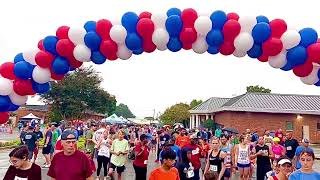
Host signature events like drone light shows, Heroes Day, and innovation expos to raise awareness and build community connections.
Share impactful stories through digital campaigns and social media to inspire support and advocacy.
Operational Excellence
Implement a robust CRM system to manage donors, volunteers, and program participants effectively.
Recruit and train staff and volunteers to deliver programs and services with the highest standards of excellence.
These strategies position CFH to create transformative opportunities for children while honoring the legacy of their fallen heroes.
How we listen
Seeking feedback from people served makes programs more responsive and effective. Here’s how this organization is listening.
-
How is your organization using feedback from the people you serve?
To identify and remedy poor client service experiences, To identify bright spots and enhance positive service experiences, To make fundamental changes to our programs and/or operations, To inform the development of new programs/projects, To identify where we are less inclusive or equitable across demographic groups, To strengthen relationships with the people we serve, To understand people's needs and how we can help them achieve their goals
-
Which of the following feedback practices does your organization routinely carry out?
We collect feedback from the people we serve at least annually, We take steps to get feedback from marginalized or under-represented people, We aim to collect feedback from as many people we serve as possible, We take steps to ensure people feel comfortable being honest with us, We look for patterns in feedback based on demographics (e.g., race, age, gender, etc.), We look for patterns in feedback based on people’s interactions with us (e.g., site, frequency of service, etc.), We engage the people who provide feedback in looking for ways we can improve in response, We act on the feedback we receive, We share the feedback we received with the people we serve, We tell the people who gave us feedback how we acted on their feedback
-
What challenges does the organization face when collecting feedback?
It is difficult to get the people we serve to respond to requests for feedback, We don’t have the right technology to collect and aggregate feedback efficiently, It is difficult to find the ongoing funding to support feedback collection, Staff find it hard to prioritize feedback collection and review due to lack of time, It is hard to come up with good questions to ask people
Financials
Financial documents
Download audited financialsRevenue vs. expenses: breakdown
Liquidity in 2024 info
0.04
Months of cash in 2024 info
0.4
Fringe rate in 2024 info
0%
Funding sources info
Assets & liabilities info
Financial data
Children of Fallen Heroes
Balance sheetFiscal Year: Jan 01 - Dec 31
The balance sheet gives a snapshot of the financial health of an organization at a particular point in time. An organization's total assets should generally exceed its total liabilities, or it cannot survive long, but the types of assets and liabilities must also be considered. For instance, an organization's current assets (cash, receivables, securities, etc.) should be sufficient to cover its current liabilities (payables, deferred revenue, current year loan, and note payments). Otherwise, the organization may face solvency problems. On the other hand, an organization whose cash and equivalents greatly exceed its current liabilities might not be putting its money to best use.
Operations
The people, governance practices, and partners that make the organization tick.
Documents
President and Founder
Kenneth Wasley

Ken Wasley is the President and Founder of Children of Fallen Heroes, a 501(c)(3) nonprofit dedicated to empowering the children of fallen military personnel, special operators, and first responders, while also supporting foster youth, caregivers, and Title One schools. Inspired by his family’s military legacy and the loss of his father, a member of the U.S. Army Golden Knights Parachute Team, Ken has spent more than a decade building programs that create opportunity, mentorship, and healing for families impacted by service and sacrifice.
Through his leadership, Children of Fallen Heroes has served more than 15,000 youth nationwide through programs that blend leadership development, aviation, and STEAM education. The organization is developing an 82-acre Retreat and STEAM Campus outside of Fort Bragg and Pinehurst, North Carolina, designed as a national hub for training, innovation, and community engagement supporting military families, special operators, first responders, nonprofits,
Number of employees
Source: IRS Form 990
Children of Fallen Heroes
Officers, directors, trustees, and key employeesSOURCE: IRS Form 990
Compensation data
Children of Fallen Heroes
Highest paid employeesSOURCE: IRS Form 990
Compensation data
Children of Fallen Heroes
Board of directorsas of 04/25/2026
Board of directors data
Jane Therrien
Children of Fallen Heroes
Kenneth Wasley President and Founder
Children of Fallen Heroes
Linda Plummer
Children of Fallen Heroes
Board leadership practices
GuideStar worked with BoardSource, the national leader in nonprofit board leadership and governance, to create this section.
-
Board orientation and education
Does the board conduct a formal orientation for new board members and require all board members to sign a written agreement regarding their roles, responsibilities, and expectations? yes -
CEO oversight
Has the board conducted a formal, written assessment of the chief executive within the past year ? yes -
Ethics and transparency
Have the board and senior staff reviewed the conflict-of-interest policy and completed and signed disclosure statements in the past year? yes -
Board composition
Does the board ensure an inclusive board member recruitment process that results in diversity of thought and leadership? yes -
Board performance
Has the board conducted a formal, written self-assessment of its performance within the past three years? yes
Organizational demographics
Who works and leads organizations that serve our diverse communities? Candid partnered with CHANGE Philanthropy on this demographic section.
Leadership
The organization's leader identifies as:
Race & ethnicity
Gender identity
Transgender Identity
Sexual orientation
Disability
GuideStar Pro Reports

Report successfully added to your cart!
Want more data?
A GuideStar Pro report containing the following information is available for this organization:
- *with the ability to download the data for
Download it now for $125.
Need the ability to download nonprofit data and more advanced search options?Consider a Pro Search subscription.